Unlocking Creativity: A Guide to Using Summer Watercolor Tie Dye Digital Papers
In the vibrant world of digital design, finding the right texture can transform a mundane project into a masterpiece. One trend that has captured the hearts of crafters, designers, and hobbyists alike is the Summer Watercolor Tie Dye Digital Paper Pack. This collection is not merely a set of images; it is a versatile toolkit that bridges the gap between traditional artistic techniques and modern digital convenience. By understanding how to effectively utilize these assets, you can elevate your creative output across various mediums, from physical scrapbooks to professional web designs.
Understanding the Technical Foundation
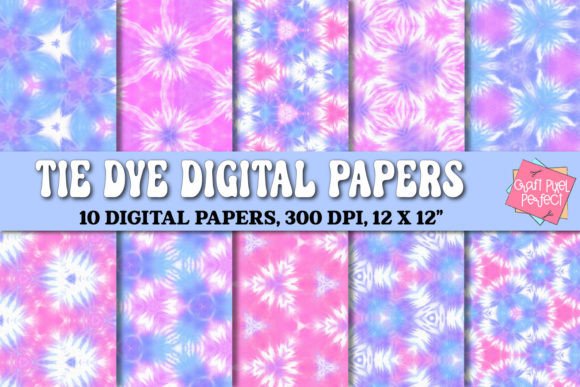
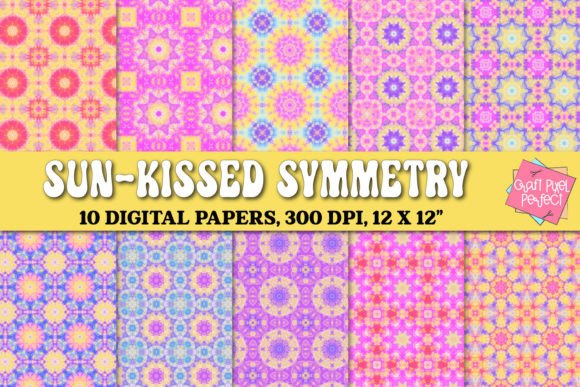
Before diving into the creative applications, it is essential to understand what makes this specific bundle valuable from a technical standpoint. The pack includes one ZIP folder containing 10 JPEG files, each sized at 12×12 inches with a resolution of 300 DPI (dots per inch).
For those new to digital design, these specifications are crucial. The 12×12 inch dimension is the industry standard for square-format projects, particularly in scrapbooking. Meanwhile, the 300 DPI resolution ensures that the images remain crisp and clear when printed. Unlike low-resolution images found on social media, which may appear pixelated on paper, these high-quality files guarantee professional-grade results. The JPEG format offers a balance of quality and file size, making them easy to store, share, and import into most design software without requiring specialized editing tools.
The Aesthetic Appeal: Why Watercolor Tie Dye?
The visual style of this pack combines two distinct artistic elements: the fluidity of watercolor and the playful chaos of tie-dye. Watercolor brings a sense of softness, transparency, and organic movement, while tie-dye introduces bold, swirling patterns and vibrant color transitions. When merged, they create a "Summer" aesthetic that feels both nostalgic and contemporary.
This style is particularly effective because it mimics natural phenomena. The bleeding colors resemble sunsets, ocean waves, or blooming flowers. For designers, this means the backgrounds are inherently interesting but not overpowering. They provide a dynamic base that allows text and foreground elements to stand out without competing for attention. This balance is often difficult to achieve with solid colors or rigid geometric patterns, making watercolor tie-dye a superior choice for projects requiring emotional warmth and visual depth.
Practical Applications in Scrapbooking and Card Making
One of the primary intended uses for this digital paper pack is scrapbooking. Whether you are creating a physical album or a digital memory book, these papers serve as perfect backgrounds. Imagine documenting a summer vacation; using a blue and turquoise tie-dye sheet can evoke the feeling of the sea, while a warm orange and pink blend can capture the essence of a beach sunset.
Enhancing Greeting Cards
Beyond scrapbooking, these digital papers are invaluable for card-making. Creating unique and personalized greeting cards becomes effortless when you have high-quality bases. You can use the tie-dye patterns as:
- Full Backgrounds: Let the pattern speak for itself for a bold, artistic statement.
- Borders and Frames: Crop sections of the paper to create colorful borders around photos or text.
- Embellishments: Cut out shapes like hearts, stars, or circles from the digital paper to add layered texture to your card fronts.
The versatility allows you to tailor the intensity of the design to the occasion. A subtle wash might suit a sympathy card, while a vibrant swirl fits perfectly for a birthday celebration.
Elevating Invitations and Announcements
First impressions matter, especially when it comes to events. Designing eye-catching invitations and announcements requires a base that sets the tone immediately. This digital paper pack provides an excellent foundation for weddings, baby showers, birthday parties, or corporate events.
By using the watercolor tie-dye as the base or accent element, you can create a cohesive theme. For example, a gender-neutral baby shower could utilize soft pastel blends, while a summer garden party invitation might feature lush greens and floral hues. The key is to layer legible typography over the pattern. Since the watercolor effect often has areas of lighter saturation, these "quiet" zones are ideal for placing essential information such as dates, times, and locations.
Integration into Digital Art and Graphic Design
For digital artists and graphic designers, these papers are more than just backgrounds; they are textures and overlays. In digital illustrations or paintings, adding a tie-dye texture can break up flat colors and add depth. You can use blending modes in software like Photoshop or Procreate to merge the paper texture with your artwork, creating a unified, hand-painted look.
In graphic design projects, such as branding materials or social media graphics, these patterns can be used to create visual interest without clutter. They work exceptionally well as:
- Textured Overlays: Placed at low opacity over solid colors to add subtle complexity.
- Pattern Breaks: Used to separate sections in long-form content or presentations.
- Accent Elements: Highlighting key quotes or call-to-action buttons with a splash of color.
Web Design and User Experience
In the realm of web design, incorporating organic textures can humanize a digital interface. While minimalism has dominated web trends for years, there is a growing appreciation for "warm minimalism," which incorporates soft textures and natural colors. Using these digital papers as website backgrounds or section dividers can enhance the overall design by adding visual interest without sacrificing usability.
However, caution is required. When using busy patterns like tie-dye on the web, ensure that text remains readable. This is often achieved by placing a semi-transparent solid color layer between the background image and the text. This technique preserves the aesthetic appeal of the watercolor design while maintaining accessibility standards.
Crafts, DIY Projects, and Printables
The utility of this bundle extends far beyond the screen. For enthusiasts of crafts and DIY projects, these digital files can be printed and applied to various physical objects. Consider using them for:
- Home Decor: Print and frame the designs as affordable wall art, or decoupage them onto furniture pieces for a custom look.
- Gift Wrapping: Create unique wrapping paper by printing the patterns on large sheets of paper.
- Paper Crafts: Use them for origami, paper flowers, or decorative bunting.
Furthermore, the rise of the "printable" market makes these papers highly relevant for entrepreneurs. You can design printable stationery, bookmarks, tags, and labels. For instance, a teacher might create colorful classroom labels, or a small business owner might design branded thank-you tags for their products. The high resolution ensures that even small details remain sharp when printed on sticker paper or cardstock.
Conclusion: Embracing Versatility in Design
The Summer Watercolor Tie Dye Digital Paper Pack is a testament to the power of versatile digital assets. By combining high technical standards with an appealing aesthetic, it serves a wide range of creative needs. Whether you are a beginner looking to add flair to your family scrapbook or a professional designer seeking unique textures for client projects, this bundle offers endless possibilities.
Understanding how to leverage these 10 JPEG files across different mediums—from print to web—allows you to maximize their value. As you experiment with layering, cropping, and blending, you will discover that these simple digital papers can become the cornerstone of your creative workflow. Embrace the fluidity of watercolor and the energy of tie-dye to bring a touch of summer warmth to all your design endeavors.