Integrating Human Anatomical Kidney with Flowers into Creative and Professional Workflows
The intersection of medical accuracy and artistic expression creates a unique niche in digital design, one that serves both educational purposes and aesthetic appeal. The Human Anatomical Kidney with Flowers represents more than just a clipart asset; it is a versatile design element that bridges the gap between clinical precision and organic beauty. For professionals ranging from urologists to graphic designers, understanding how to effectively integrate this specific visual resource into broader projects can enhance output quality, streamline production timelines, and create more engaging end products.
This guide explores the practical implementation of watercolor-style anatomical graphics, focusing on workflow integration, file compatibility, and strategic usage across various mediums. By treating these assets as foundational components of a larger design system, creators can maximize their utility while maintaining high standards of visual consistency.
Understanding the Asset and Its Strategic Value
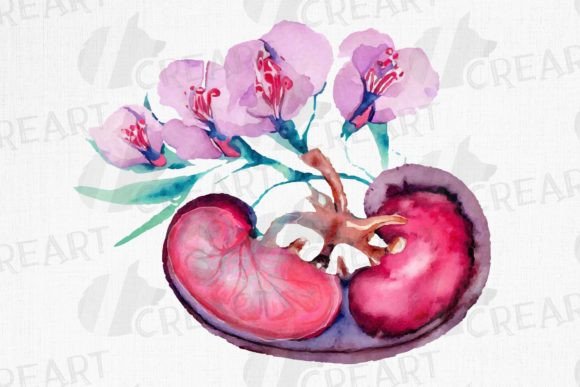
At its core, the Human Anatomical Kidney with Flowers combines detailed medical illustration with soft, floral accents, typically rendered in purple and magenta hues. This color palette is not arbitrary; it offers a modern, calming alternative to the stark reds and pinks often associated with internal organs, making the imagery more approachable for patient education materials, wellness branding, and decorative art.
From a workflow perspective, acquiring high-quality vector and raster files for such specific imagery eliminates the need for custom illustration from scratch. For small business owners, educators, and medical professionals, this translates to significant time savings. Instead of commissioning an artist or attempting complex digital painting, users can leverage pre-made, professional-grade assets that are ready for immediate deployment. The key lies in selecting assets that offer flexibility—specifically those provided in multiple formats such as SVG, AI, EPS, PNG, and JPG.
Pre-Production: Preparation and File Organization
Effective use of any digital asset begins with proper organization before the actual design work commences. When you purchase a package containing a Human Anatomical Kidney with Flowers, you typically receive a diverse set of file types. Each format serves a distinct purpose in the production pipeline, and understanding these distinctions is crucial for efficient workflow management.
- Vector Files (SVG, AI, EPS): These are essential for scalability. Whether you are designing a large-format banner for a medical conference or a small sticker for a planner, vector formats ensure that edges remain crisp and colors stay vibrant regardless of size. The AI and EPS files are particularly important for users working in Adobe Illustrator or CorelDRAW, allowing for deep customization of individual elements.
- Raster Files (PNG, JPG): High-resolution PNGs with transparent backgrounds are indispensable for quick compositing in Photoshop or Canva. They allow for immediate layering over other images without the need for manual background removal. JPGs serve well for web previews or contexts where transparency is not required.
- Layered PSD Files: For photographers and digital artists who prefer working in Photoshop, a layered file provides the ability to adjust opacity, blending modes, and specific color channels independently.
Before starting any project, create a dedicated folder structure. Separate your vector sources from your raster exports. This habit prevents version control issues and ensures that you always return to the highest quality source file when modifications are needed.
Integration into Design and Production Workflows
Once organized, the Human Anatomical Kidney with Flowers can be integrated into various stages of a creative or business process. Its application extends far beyond simple decoration, influencing user engagement and brand perception.
Medical and Educational Contexts
For urologists, nurses, and medical educators, this graphic serves as an excellent tool for patient communication. Traditional anatomical diagrams can appear intimidating or sterile. By incorporating floral elements and softer colors, healthcare providers can create materials that feel more welcoming. Use the SVG file to generate clear, scalable diagrams for brochures, waiting room posters, or digital presentations. The ability to change colors means you can align the graphic with your clinic’s branding guidelines, ensuring consistency across all patient-facing materials.
Commercial Product Creation
Entrepreneurs and crafters can leverage these assets for sublimation and print-on-demand projects. The watercolor aesthetic translates beautifully onto physical goods. Consider the following applications:
- Apparel and Accessories: Use the high-resolution PNG or vector files to create designs for T-shirts, scrubs, and tote bags. The transparent background allows for seamless placement on colored fabrics.
- Drinkware: Sublimation printing on tumblers and mugs requires high-DPI images. The provided files are optimized for this, ensuring that the intricate details of the kidney anatomy and the delicate flower petals remain sharp after heating.
- Stationery and Paper Goods: Create greeting cards, stickers, and planner inserts. The PDF file can be used directly for printing standard-sized documents, while the vector files allow for custom die-cut sticker shapes.
Digital Marketing and Web Design
In the digital realm, visual consistency drives brand recognition. The Human Anatomical Kidney with Flowers can be used as a recurring motif in social media graphics, email newsletters, and website headers. Because the colors can be adjusted, you can create seasonal variations—using cooler tones for winter campaigns or warmer magentas for spring promotions. This adaptability supports long-term content planning without the need for new asset creation.
Technical Execution and Quality Control
To maintain professional standards, attention must be paid to technical execution during the design phase. When working with vector files like AI or EPS, always expand appearances and outline strokes if sending files to a third-party printer. This prevents font or effect discrepancies. For raster images, ensure that the resolution matches the output medium. While the provided PNGs are high-resolution, upscaling them beyond their original dimensions may result in pixelation. Always start with the largest available file or the vector equivalent.
Color management is another critical factor. Screens display colors in RGB, while printers use CMYK. The purple and magenta tones in the watercolor design may shift slightly during printing. Perform test prints on the specific material you intend to use—whether it is cardstock, fabric, or ceramic—to verify color accuracy. Adjust the hue and saturation in your editing software as needed to compensate for these differences.
Long-Term Utility and Asset Maintenance
Investing in versatile digital assets like the Human Anatomical Kidney with Flowers pays dividends over time. Unlike trend-based graphics that may quickly become outdated, anatomical illustrations combined with classic watercolor styles possess a timeless quality. This longevity makes them suitable for evergreen content, such as educational textbooks, permanent office decor, or staple product lines.
To maximize this long-term value, document how you have used the asset in different projects. Note which color variations performed best in marketing campaigns or which file formats worked best for specific printing vendors. This knowledge base will streamline future projects, reducing decision fatigue and accelerating production speeds.
Furthermore, because the files are compatible with a wide variety of image editing and crafting programs, you are not locked into a single software ecosystem. This interoperability ensures that even if your workflow tools change—switching from Adobe Creative Cloud to Affinity Designer or CorelDRAW—you can still utilize your existing library of assets without friction.
Conclusion
The Human Anatomical Kidney with Flowers is a prime example of how specialized digital assets can enhance both creative and professional workflows. By understanding the technical specifications of the provided files and strategically integrating them into your design process, you can achieve higher efficiency, better visual outcomes, and greater versatility in your projects. Whether you are creating a thoughtful gift for a medical professional, designing educational materials, or launching a new line of sublimated products, this asset offers the flexibility and quality needed to succeed in a competitive market.