Western Clipart: Elevating Digital Design with Authentic Frontier Aesthetics
In the vast landscape of digital design resources, few themes possess the enduring appeal and visual versatility of the American frontier. Western Clipart has evolved from simple, pixelated graphics into a sophisticated category of digital assets that serve a wide array of creative professionals. Whether you are a graphic designer crafting a brand identity, a photographer looking to add thematic overlays, or a hobbyist engaged in scrapbooking, the demand for high-quality western-themed imagery is stronger than ever. This resurgence is not merely nostalgic; it reflects a broader cultural appreciation for rugged aesthetics, handcrafted details, and storytelling through visual media.
The modern creator requires more than just generic images. They need assets that integrate seamlessly into complex workflows, maintain clarity across various mediums, and offer the flexibility to adapt to specific project needs. This is where premium digital collections, such as those featuring western watercolor textures and detailed wild west clipart, become indispensable tools. By understanding the technical specifications and artistic potential of these resources, creators can elevate their work from standard to exceptional.
The Evolution of Western Imagery in Modern Design
Historically, western imagery was often confined to stereotypical representations found in old movie posters or tourist souvenirs. Today, the aesthetic has matured. Contemporary Western illustration blends historical accuracy with modern design principles. We see a shift towards softer palettes, intricate line work, and artistic mediums like watercolor, which add a layer of sophistication and warmth that vector graphics alone sometimes lack.
This evolution aligns with current market preferences. Consumers and clients are increasingly drawn to authenticity and artisanal qualities. A flat, cartoonish cowboy might suit a children’s party invitation, but a boutique coffee shop or a heritage brand requires a western image that conveys depth and character. The rise of western watercolor styles meets this need by offering organic textures that feel hand-painted, bridging the gap between traditional art and digital convenience.
Furthermore, the definition of "western" has expanded. It is no longer limited to cowboys and horses. It encompasses desert flora, vintage typography, rustic tools, and atmospheric landscapes. This broadening scope allows designers to apply western themes to diverse industries, from fashion and home decor to tech startups aiming for a "rugged reliability" brand voice.
Technical Excellence: Why Format and Quality Matter
For professionals, the artistic merit of an image is only half the equation. The technical quality determines its usability. When selecting digital assets, understanding file formats and resolution is crucial. High-quality collections typically provide PNG details that ensure maximum compatibility and visual fidelity.
Consider the importance of transparent backgrounds. In professional design workflows, time is money. Having separate PNG files for each design with transparent backgrounds eliminates the tedious process of manual cutouts. This feature makes the assets suitable for all image programs, from industry standards like Adobe Photoshop and Illustrator to user-friendly platforms like Canva and Procreate. You can drag and drop a Cowboy clipart element directly onto a textured background without worrying about white boxes or jagged edges.
Resolution is another critical factor. A versatile collection should offer high-resolution files, often ranging up to 300 PPI (pixels per inch). This density ensures that the images remain crisp and clear whether they are viewed on a high-definition retina display or printed on large-format materials. For instance, a western poster intended for a gallery wall or a trade show booth requires high PPI to avoid pixelation. Conversely, web-based projects may prioritize smaller file sizes for faster loading times, but having the original high-quality source allows for optimal compression without sacrificing initial quality.
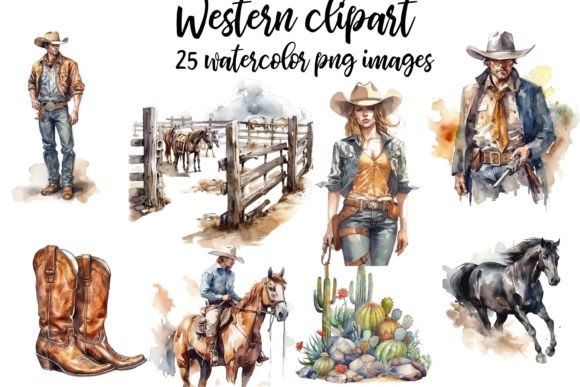
A typical premium package might include 25 high-quality digital clip art elements. This number strikes a balance between variety and curation, providing enough diversity to create cohesive designs without overwhelming the user with redundant options. Each element, from a lone saguaro cactus to a detailed revolver or a weathered boot, is crafted to stand alone or complement other pieces in the set.
Practical Applications Across Industries
The utility of Western Clipart extends far beyond thematic party decorations. Its application is widespread across various professional and personal projects. Here is how different creators can leverage these assets:
- Graphic Designers and Branding Experts: Use wild west clipart to create logos, business cards, and packaging for brands that want to evoke trust, tradition, or adventure. The rugged aesthetic works well for outdoor gear, beard oils, craft breweries, and barbecue restaurants.
- Photographers: Digital overlays can enhance portrait sessions. Adding subtle western elements like floral wreaths, vintage frames, or textural brushes can transform a standard photo into a themed masterpiece, ideal for family reunions or milestone celebrations.
- Web Developers and Marketers: Incorporate western image elements into website headers, social media banners, and email newsletters. These visuals break up text-heavy content and engage users with recognizable, appealing iconography.
- Educators and Content Creators: Teachers can use these illustrations to make history lessons more engaging. Bloggers and YouTubers focused on travel, history, or lifestyle can use custom thumbnails and graphics to establish a consistent visual identity.
- Hobbyists and Scrapbookers: For personal projects, the ease of use is paramount. Transparent PNGs allow for effortless layering in digital scrapbooking apps, enabling users to preserve memories with a personalized, rustic touch.
Integrating Western Aesthetics into Current Trends
Design trends are cyclical, but the western theme has shown remarkable resilience by adapting to contemporary styles. Currently, there is a significant trend towards "modern rustic" and "boho-western" aesthetics. This style combines the raw elements of the wild west with minimalist design and neutral color palettes.
To stay relevant, designers should look for Western illustration that embraces negative space and clean lines. Instead of cluttered, overly detailed scenes, opt for singular, strong icons. A single, well-rendered horse silhouette or a delicate watercolor succulent can be more impactful than a busy saloon scene. This approach aligns with modern user expectations for clean, uncluttered interfaces and marketing materials.
Moreover, the integration of typography with clipart is a powerful technique. Pairing a bold, serif font with a Cowboy clipart element creates a balanced composition that draws the eye. Designers should experiment with layering text behind and in front of image elements to create depth, a technique made easy by the transparent nature of high-quality PNG files.
Selecting the Right Assets for Your Project
With countless resources available online, choosing the right Western Clipart package requires discernment. Look for collections that offer consistency in style. Mixing a photorealistic horse with a cartoonish cactus can result in a disjointed final product. A cohesive set, such as one focused entirely on western watercolor or hand-drawn sketches, ensures that all elements work harmoniously together.
Check the licensing terms carefully. Professional use often requires commercial licenses, especially if the designs will be used in products for sale. Reputable providers clearly outline what you can and cannot do with their assets. Additionally, consider the support and updates provided by the creator. A dedicated artist who regularly adds new elements to their collection offers long-term value for subscribers or repeat customers.
It is also wise to test the files before committing to a large project. Download a sample or review the preview images closely. Check the edges of the transparent backgrounds for any halos or artifacts. Ensure that the colors match your project’s palette or can be easily adjusted. Most modern image programs allow for hue and saturation adjustments, so starting with a neutral or muted base can provide greater flexibility.
Future-Proofing Your Creative Toolkit
As technology advances, the way we interact with digital assets continues to change. However, the fundamental need for high-quality, versatile imagery remains constant. Investing in a robust library of western poster ready elements and individual clip art pieces future-proofs your creative toolkit. These assets can be repurposed across multiple platforms and projects, maximizing their return on investment.
Furthermore, as virtual and augmented reality technologies become more accessible, the demand for 2D assets that can be textured onto 3D models may increase. High-resolution PNGs with transparent backgrounds are ideal for this purpose, serving as textures for digital environments or interactive experiences. By staying ahead of these technological shifts and maintaining a library of premium assets, creators can adapt quickly to new opportunities.
In conclusion, Western Clipart is more than just a niche category; it is a versatile design resource that bridges history and modernity. By focusing on quality, technical specifications, and cohesive styling, designers and creators can harness the power of the wild west to tell compelling stories, build strong brands, and create visually stunning works. Whether for web or print, the right digital elements can transform a simple concept into a memorable visual experience.