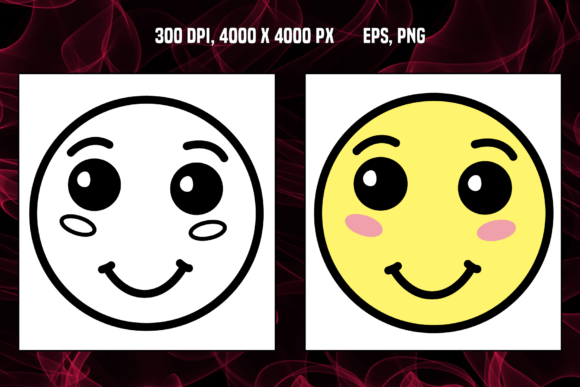
Enhancing Digital Communication with Cute Smile Icons and Emotion Face Vectors
In the rapidly evolving landscape of digital design, the ability to convey emotion instantly and universally has become a cornerstone of effective user experience. While text provides information, visual elements provide context, tone, and humanity. Among the most versatile tools in a designer’s arsenal are Cute Smile Icons and expressive Emotions Face graphics. These assets do more than decorate a webpage; they bridge the gap between cold technology and warm human interaction. Whether you are developing a mobile application, designing an educational platform, or crafting a marketing campaign, understanding the technical and aesthetic value of high-quality vector icons is essential for modern web development.
The Psychological Impact of Visual Emotion in Web Design
Human beings are wired to recognize faces. From infancy, we look for facial cues to interpret safety, joy, confusion, or anger. When these cues are translated into digital interfaces through Cute Smile Icons, they trigger immediate emotional responses. A simple, well-designed smile can reduce user anxiety during a loading process, while a confused face icon can gently guide a user toward help documentation without the need for lengthy text explanations.
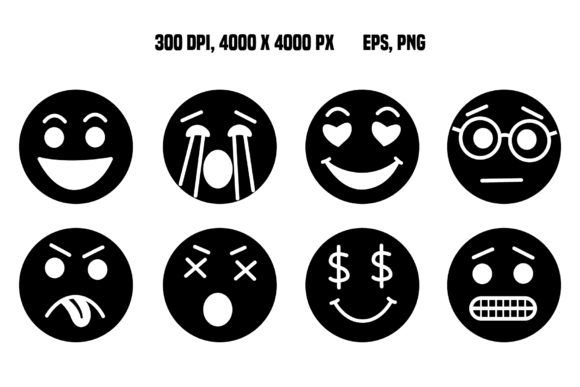
The effectiveness of these icons lies in their simplicity and universality. Unlike language, which creates barriers, a smiling face is understood globally. This makes Emotions Face graphics invaluable for international websites and applications. By integrating these visual cues, designers can create a more intuitive navigation structure. For instance, a success message accompanied by a cheerful, cute smile reinforces positive behavior, encouraging users to complete tasks such as signing up for newsletters or completing purchases. Conversely, using a soft, empathetic face for error messages can mitigate frustration, turning a potentially negative experience into a manageable one.
Technical Superiority of Vector Formats and High-Resolution Assets
When selecting design assets for professional use, the file format is just as critical as the aesthetic quality. The demand for crisp, scalable graphics has made vector formats the industry standard. The specific package containing Cute Smile Icons and Emotions Face designs offers significant technical advantages, primarily through its inclusion of EPS and PNG files.
EPS (Encapsulated PostScript) files are vector-based, meaning they are defined by mathematical equations rather than pixels. This allows designers to scale the icons from the size of a favicon to a large billboard without any loss in quality. For web designers, this flexibility is crucial. It means that a single asset can be used across various breakpoints in responsive design, ensuring that the icon looks sharp on a smartphone, a tablet, and a 4K desktop monitor alike.
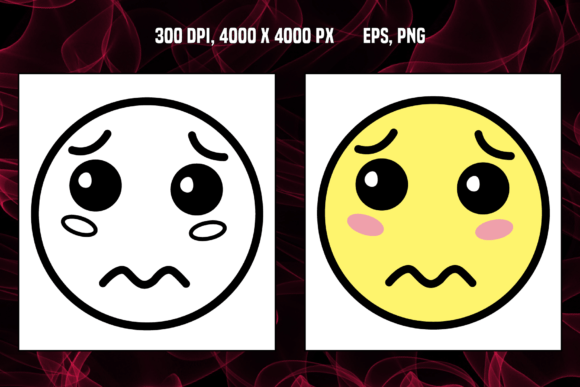
Complementing the vector files are PNG (Portable Network Graphics) images with transparent backgrounds. Transparency is vital for seamless integration into diverse web layouts. Unlike JPEGs, which have a solid white background, transparent PNGs allow the icon to sit naturally over colored backgrounds, gradients, or photographic images. The specification of 300 dpi (dots per inch) and a resolution of 4000 x 4000 pixels ensures that these raster images are of print-ready quality. While web screens typically display at 72 dpi, having high-resolution source files allows for retina-ready displays and future-proofing against higher-density screens. This level of detail ensures that even when zoomed in, the edges of the Cute Smile Icons remain smooth and artifact-free.
Versatile Applications Across Industries
The utility of Emotions Face icons extends far beyond casual social media apps. Their clean, professional, yet approachable style makes them suitable for a wide array of sectors.
- E-Learning and Education: In educational software, feedback is key. Using a set of emotive faces to grade quizzes or indicate progress can make learning feel less like a test and more like a game. A bright smile for a correct answer encourages retention, while a thoughtful face for a hint prompt reduces the stigma of making mistakes.
- Customer Support Interfaces: Chatbots and support tickets benefit immensely from emotional cues. Integrating Cute Smile Icons into automated responses can make robotic interactions feel more personable. It helps establish a brand voice that is friendly and accessible, rather than sterile and corporate.
- Health and Wellness Apps: Mental health trackers and meditation apps rely on users accurately reporting their mood. A comprehensive set of face emotions allows users to select icons that match their internal state, facilitating better data collection for therapists and more personalized recommendations for the app.
- E-Commerce and Retail: Product reviews often include star ratings, but adding emotional faces can provide deeper insight. A "happy" face might indicate satisfaction with delivery speed, while a "neutral" face might suggest the product met expectations but lacked wow factor. This nuanced feedback is invaluable for businesses looking to improve specific aspects of their service.
Design Considerations for Consistency and Accessibility
While incorporating Cute Smile Icons is beneficial, it must be done with careful attention to design consistency and accessibility. A common mistake is mixing icon styles—for example, combining hand-drawn sketches with flat, geometric vectors. This creates visual clutter and undermines the professionalism of the interface. The ZIP file containing these two vector design elements ensures stylistic unity. By using icons from the same family, designers maintain a cohesive visual language throughout their project.
Accessibility is another critical factor. Icons should never be the sole method of conveying important information. Screen readers used by visually impaired individuals cannot interpret images unless they are properly tagged with alt text. Therefore, every Emotions Face icon used on a website should have descriptive alternative text, such as "Smiling face indicating success" or "Confused face indicating error." Furthermore, color contrast must be sufficient. While cute icons often use pastel or bright colors, they must stand out against their background to be visible to users with low vision. The high resolution of 4000 x 4000 pixels allows designers to adjust colors and contrast ratios easily without degrading the image quality.
Workflow Integration for Developers and Designers
For professionals managing tight deadlines, the ease of asset integration is paramount. The availability of both vector and raster formats in a single ZIP file streamlines the workflow. Designers can open the EPS files in software like Adobe Illustrator or CorelDRAW to customize colors, adjust line weights, or modify shapes to match specific brand guidelines. Once customized, these vectors can be exported as SVGs for lightweight web use or kept as high-res PNGs for static implementations.
Developers benefit from the standardized dimensions and clean lines of these assets. High-quality icons reduce the need for extensive CSS styling to fix blurry edges or awkward alignments. The transparent background of the PNGs eliminates the need for additional masking code. This efficiency allows teams to focus on functionality and user experience rather than troubleshooting graphic inconsistencies. Moreover, because the files are high resolution, they are ready for immediate use in print materials such as brochures or business cards, ensuring brand consistency across both digital and physical touchpoints.
The Future of Emotional Design
As digital interfaces become more immersive, the role of emotional design will only grow. We are moving towards interfaces that not only respond to commands but also anticipate emotional needs. Cute Smile Icons and Emotions Face graphics are the foundational building blocks of this shift. They represent a move away from purely utilitarian design toward empathetic design.
By choosing high-quality, versatile assets like those found in this collection, professionals signal a commitment to quality and user care. The combination of technical precision—300 dpi, 4000 x 4000 pixels, vector scalability—and aesthetic appeal creates a powerful tool for communication. Whether you are a hobbyist creating a personal blog or a corporation launching a global platform, these icons offer a simple yet profound way to connect with your audience. They remind users that behind every screen is a human experience, worthy of a smile.
In conclusion, the strategic use of emotive icons enhances usability, strengthens brand identity, and improves user satisfaction. By leveraging the technical benefits of vector and high-resolution PNG formats, designers can ensure their work remains relevant and effective across all devices and mediums. The investment in quality visual assets pays dividends in engagement and trust, making Cute Smile Icons an indispensable element of contemporary web design.