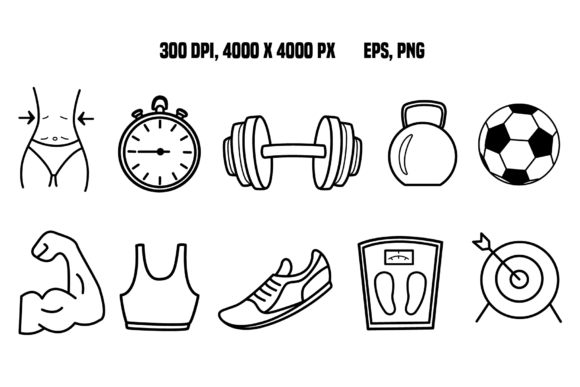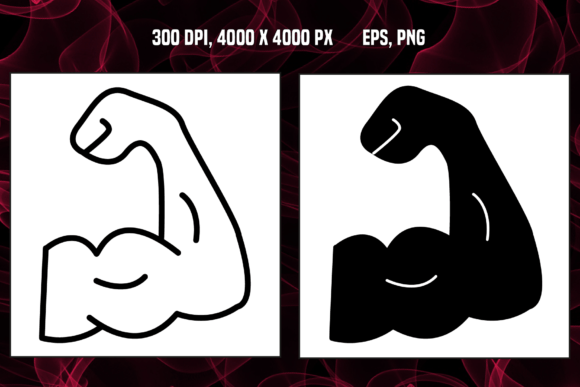
Enhancing Digital Sports Branding with Two Muscular Arm Icons and High-Resolution Vector Assets
In the rapidly evolving landscape of digital design, visual communication serves as the primary bridge between a brand and its audience. For industries rooted in physical performance, such as fitness, athletics, and wellness, the imagery chosen must convey strength, vitality, and precision instantly. This is where specialized graphic assets, such as Two Muscular Arm Icons, become indispensable tools for designers and marketers alike. These icons are not merely decorative elements; they are semantic shortcuts that communicate power and capability without the need for extensive text. When paired with high-quality technical specifications, such as a ZIP file containing transparent image EPS and PNG formats at 300 dpi, these assets transform from simple pictures into versatile components of professional web design.
The Strategic Value of Symbolic Strength in Web Design
Web design is often constrained by attention spans and screen real estate. Users scan pages rather than reading them word for word, relying on visual cues to navigate content and understand context. Icons representing muscular arms serve a dual purpose: they attract attention through bold, recognizable shapes and they reinforce the thematic identity of sports and fitness brands. Unlike photographic images, which can sometimes appear cluttered or inconsistent across different devices, vector-based icons offer a clean, standardized look that enhances user experience.
The use of Two Muscular Arm Icons specifically allows for dynamic composition. A single arm might suggest individual effort, but two arms can imply balance, competition, or comprehensive support. This subtle distinction enables designers to tailor the emotional resonance of their layouts. Whether used in a header for a gym membership page, a button for a personal training app, or an infographic detailing muscle groups, these icons provide immediate contextual clarity. Their effectiveness lies in their simplicity and universal recognition, transcending language barriers and cultural differences to deliver a consistent message of physical prowess.
Technical Superiority of Vector and High-Resolution Formats
The utility of any digital asset is heavily dependent on its technical quality. A common pitfall in web design is the use of low-resolution images that pixelate when scaled or viewed on high-density displays. To avoid this, professional designers prioritize assets that offer flexibility and fidelity. The inclusion of a ZIP file containing both EPS and PNG formats ensures that the Two Muscular Arm Icons can be deployed across a wide range of platforms without compromising quality.
- EPS (Encapsulated PostScript): This vector format is essential for scalability. Because it is based on mathematical paths rather than pixels, an EPS file can be resized to any dimension—from a tiny favicon to a massive billboard—without losing sharpness. This makes it ideal for print materials, large-scale banners, and responsive web elements that need to adapt to various screen sizes.
- PNG (Portable Network Graphics): For web implementation, PNG files are preferred due to their support for transparency. A transparent background allows the icon to sit seamlessly over any color scheme or photographic background, maintaining a polished and integrated appearance. This is crucial for modern web design, where layered visuals and overlapping elements are common.
- High Resolution (300 DPI): While web screens typically display at 72 DPI, providing assets at 300 DPI ensures that the images remain crisp on Retina displays and high-definition monitors. This attention to detail signals professionalism and care, enhancing the perceived value of the brand using the icons.
- Dimensions (4000 x 4000 Pixels): Large pixel dimensions provide ample room for cropping and editing. Designers can isolate specific parts of the icon or adjust the composition without worrying about resolution loss, offering greater creative freedom during the design process.
Applications Across Diverse Industries
While the primary association of muscular arm icons is with gyms and bodybuilding, their application extends far beyond these traditional sectors. Understanding the broader use cases helps creators maximize the return on investment for these digital assets. Here are several contexts where Two Muscular Arm Icons can be effectively utilized:
- Health and Wellness Apps: In mobile applications focused on tracking workouts, nutrition, or recovery, these icons can serve as intuitive buttons for strength training modules. Their clear symbolism reduces cognitive load, allowing users to navigate the app more efficiently.
- Corporate Wellness Programs: Companies promoting employee health can use these icons in internal newsletters, intranet portals, or promotional materials for wellness challenges. The imagery encourages participation by associating corporate initiatives with positive physical outcomes.
- Educational Content: Educators and researchers creating materials on anatomy, physiology, or sports science can use these vectors to illustrate concepts related to muscle function and biomechanics. The clean lines of vector graphics make them suitable for diagrams and instructional guides.
- E-commerce and Retail: Online stores selling sportswear, supplements, or equipment can incorporate these icons into product categories or feature highlights. They help visually categorize items, making the shopping experience more intuitive for consumers looking for strength-related products.
- Event Promotion: Organizers of marathons, triathlons, or fitness expos can use these icons in logos, tickets, and social media graphics. The bold nature of the design stands out in crowded digital feeds, driving engagement and attendance.
Integrating Icons into Modern Web Workflows
Implementing high-quality icons like the Two Muscular Arm Icons requires a thoughtful approach to integration. Simply dropping an image into a webpage is insufficient for optimal performance and aesthetics. Designers must consider how these elements interact with the overall layout, typography, and color palette. Consistency is key; if the icons are bold and geometric, the surrounding design elements should complement this style to create a cohesive visual language.
Furthermore, accessibility should not be overlooked. When using icons for navigation or critical information, it is important to include appropriate alt text and ARIA labels. This ensures that users relying on screen readers can understand the purpose of the icon. For example, an icon of muscular arms used as a button for "Strength Training" should have alt text that explicitly states "Strength Training" rather than just describing the image. This practice aligns with inclusive design principles and improves SEO by providing context to search engines.
Another consideration is loading speed. While PNG files are excellent for transparency, they can be larger in file size compared to other formats. Optimizing these files through compression tools without sacrificing visual quality is a necessary step in web development. Alternatively, using SVG (Scalable Vector Graphics) derived from the EPS source can offer even better performance for web use, as SVGs are code-based and infinitely scalable. However, having the original EPS and high-resolution PNGs in the ZIP file provides the foundational flexibility needed to generate these optimized formats.
Future Trends in Sports Iconography
As digital interfaces continue to evolve, so do the expectations for visual assets. There is a growing trend towards minimalism and abstraction in icon design, where complex ideas are distilled into their simplest forms. The Two Muscular Arm Icons fit well within this trend, offering a clear representation of strength without unnecessary detail. Additionally, the rise of dark mode interfaces has increased the demand for icons that maintain visibility and contrast against dark backgrounds. Transparent PNGs and adjustable vector colors make these assets adaptable to such trends.
Moreover, the integration of motion design is becoming more prevalent. Static icons are increasingly being animated to add interactivity and delight to user experiences. Having high-resolution source files allows designers to easily animate these icons using software like After Effects or Lottie, creating engaging micro-interactions that enhance user engagement. For instance, the arms could flex slightly upon hovering, providing immediate feedback and adding a layer of polish to the interface.
In conclusion, the selection of graphic assets is a critical decision in digital branding. The Two Muscular Arm Icons, provided in a comprehensive ZIP file with EPS and PNG formats at 300 dpi and 4000 x 4000 pixels, represent a high-value resource for professionals across various fields. By understanding their technical advantages, diverse applications, and integration best practices, designers and business owners can leverage these icons to create compelling, effective, and visually striking digital experiences. Whether for a small startup or a large enterprise, investing in quality visual elements pays dividends in user perception and brand credibility.