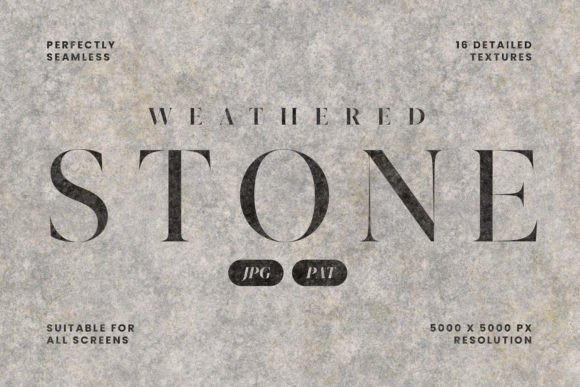
Seamless Weathered Stone: A Guide to Authentic Textures for Digital and Print Design
In the realm of digital design, texture is often the unsung hero that transforms a flat, sterile composition into something tangible and evocative. Among the most sought-after materials for designers, architects, and artists is stone. However, not just any stone will do. There is a distinct difference between polished, perfect marble and the rugged, time-worn character of Seamless Weathered Stone. This specific type of texture captures the essence of age, exposure, and natural decay, offering a depth that clean surfaces simply cannot replicate.
For creators looking to inject realism into their work, understanding the utility and application of these textures is crucial. This article explores the unique value proposition of weathered stone assets, specifically focusing on high-quality packs that offer seamless tiling capabilities, detailed grunge elements, and versatile file formats.
The Aesthetic Power of Imperfection
Why do we gravitate toward weathered surfaces? Psychologically, imperfections tell a story. A pristine white wall is blank; a stained, cracked stone wall has history. When you incorporate Seamless Weathered Stone into your designs, you are borrowing that history. These textures are particularly dirty, featuring natural stains, mossy patches, and detailed grungy elements that mimic years of exposure to the elements.
This aesthetic is not limited to rustic or vintage themes. In modern web design, a subtle stone overlay can add sophistication and weight to a minimalist layout. In print media, it can provide a tactile feel that engages the viewer before they even touch the paper. The key lies in the "seamless" nature of the files. A seamless texture can be tiled infinitely without visible edges or breaks, allowing designers to cover large areas—whether it’s a website background or a billboard wrap—without disruption.
What Makes a Texture Pack Valuable?
Not all texture packs are created equal. When evaluating a resource like the pack containing 16 highly detailed, seamless weathered stone textures, several factors contribute to its professional utility:
- Resolution and Detail: High-resolution files ensure that the texture looks crisp even when zoomed in. The micro-details—tiny cracks, grain variations, and color shifts—are what sell the realism.
- Seamlessness: True seamless tiles require careful editing to ensure that the left edge matches the right, and the top matches the bottom. Poorly made seams result in visible grid patterns that ruin the illusion.
- Variety: A pack with 16 different variations allows for diversity. You might need a darker, moodier stone for a horror game background and a lighter, sun-bleached stone for a summer brochure. Having options prevents visual monotony.
- File Formats: Versatility is key. Included .JPG files are standard for immediate use in almost any software, while a .PAT pattern presets file offers instant integration for Adobe Photoshop users, streamlining the workflow significantly.
Practical Applications Across Industries
The versatility of Seamless Weathered Stone means it serves a wide array of professionals. Let’s look at how different creators can leverage these assets effectively.
Web and UI Designers
In user interface design, background textures are often used sparingly, but when used correctly, they define the brand’s personality. A financial institution might use a subtle stone texture to convey stability and permanence. An eco-friendly brand might use a mossy, weathered stone to emphasize connection to nature. Because these images are seamless, they load efficiently as repeating CSS backgrounds, keeping file sizes manageable while maintaining visual quality across different screen sizes.
Graphic Designers and Print Professionals
For print projects, such as book covers, packaging, or posters, texture adds a layer of sensory engagement. Imagine a wine label with a weathered stone background; it immediately suggests tradition, aging, and quality. Designers can use these JPGs as base layers, adjusting opacity and blending modes to integrate text and logos seamlessly. The "dirty" and "grungy" aspects of these particular textures are ideal for creating vintage-style advertisements or event flyers that need to stand out in a crowded digital feed.
3D Artists and Game Developers
While 3D modeling often requires complex normal maps and displacement maps, diffuse textures are the foundation. These 16 highly detailed textures can serve as base color maps for environmental assets. Whether creating a dungeon floor, an ancient temple wall, or a post-apocalyptic cityscape, having high-quality source images speeds up the texturing process. The natural stains and grime reduce the need for manual painting of dirt and wear, saving hours of production time.
Evaluating Suitability for Your Project
Before downloading or purchasing any texture pack, it is essential to assess whether it fits your specific needs. Here is a practical checklist to help you decide if Seamless Weathered Stone is the right choice:
- Check the Lighting Direction: Some textures have baked-in shadows. If the light source in the texture conflicts with the lighting in your scene or design, it may look unnatural. Look for textures with even, diffuse lighting for maximum flexibility.
- Assess the Color Palette: Ensure the tones in the stone complement your existing color scheme. Weathered stones can range from cool greys and blues to warm tans and rusts. A pack with 16 variations likely covers a broad spectrum, but verify that it includes the hues you need.
- Consider the Level of Grunge: These images are described as "particularly dirty." If your project requires a clean, corporate look, you may need to use blending modes to tone down the intensity of the stains. Conversely, if you need heavy distress, these textures are ready to go out of the box.
- Verify Licensing Rights: Always check the license agreement. Can you use these textures in commercial projects? Are there restrictions on redistribution? Most professional packs allow for broad usage, but clarity is essential for business owners.
Technical Integration Tips
Getting the most out of your Seamless Weathered Stone files requires a bit of technical know-how. For Photoshop users, the included .PAT file is a goldmine. Instead of manually placing and aligning JPGs, you can load the pattern preset and fill any shape or layer instantly. This is invaluable for creating quick mockups or applying textures to complex selections.
For web developers, optimizing these JPGs is crucial. While the source files may be high resolution for print quality, web backgrounds should be compressed to balance quality and load speed. Tools like TinyPNG or ImageOptim can reduce file size without noticeable loss in detail. Additionally, using CSS properties like background-blend-mode can allow you to overlay colors or gradients on top of the stone texture, creating custom looks without needing to edit the image file itself.
Limitations and Considerations
It is important to maintain realistic expectations. While these textures are highly detailed, they are 2D images. They do not provide actual 3D depth unless used in conjunction with other mapping techniques in 3D software. Furthermore, because they are "weathered," they may not be suitable for projects requiring a pristine, modern, or futuristic aesthetic unless heavily modified.
Another consideration is repetition. Even with seamless tiles, the human eye can detect patterns if the same texture is used over a very large area without variation. To mitigate this, designers often blend two or more different stone textures from the pack together, or use noise filters to break up the uniformity.
Conclusion
The inclusion of Seamless Weathered Stone in a designer’s toolkit opens up a world of creative possibilities. By providing 16 distinct, high-quality variations along with convenient pattern presets, such a pack addresses both the artistic and practical needs of modern creators. Whether you are building a website, designing a product package, or crafting a digital painting, these textures offer a shortcut to realism and depth.
Ultimately, the value of these assets lies in their ability to evoke emotion and context. They transform the abstract into the concrete, giving viewers something to connect with on a visceral level. By understanding how to select, integrate, and optimize these weathered stone textures, you can elevate your work from simple design to compelling visual storytelling. For those seeking to add grit, history, and natural beauty to their projects, exploring the potential of seamless weathered stone is a worthwhile endeavor.